Understanding the psychology behind gambling why we bet and what it means for us
The Allure of Gambling
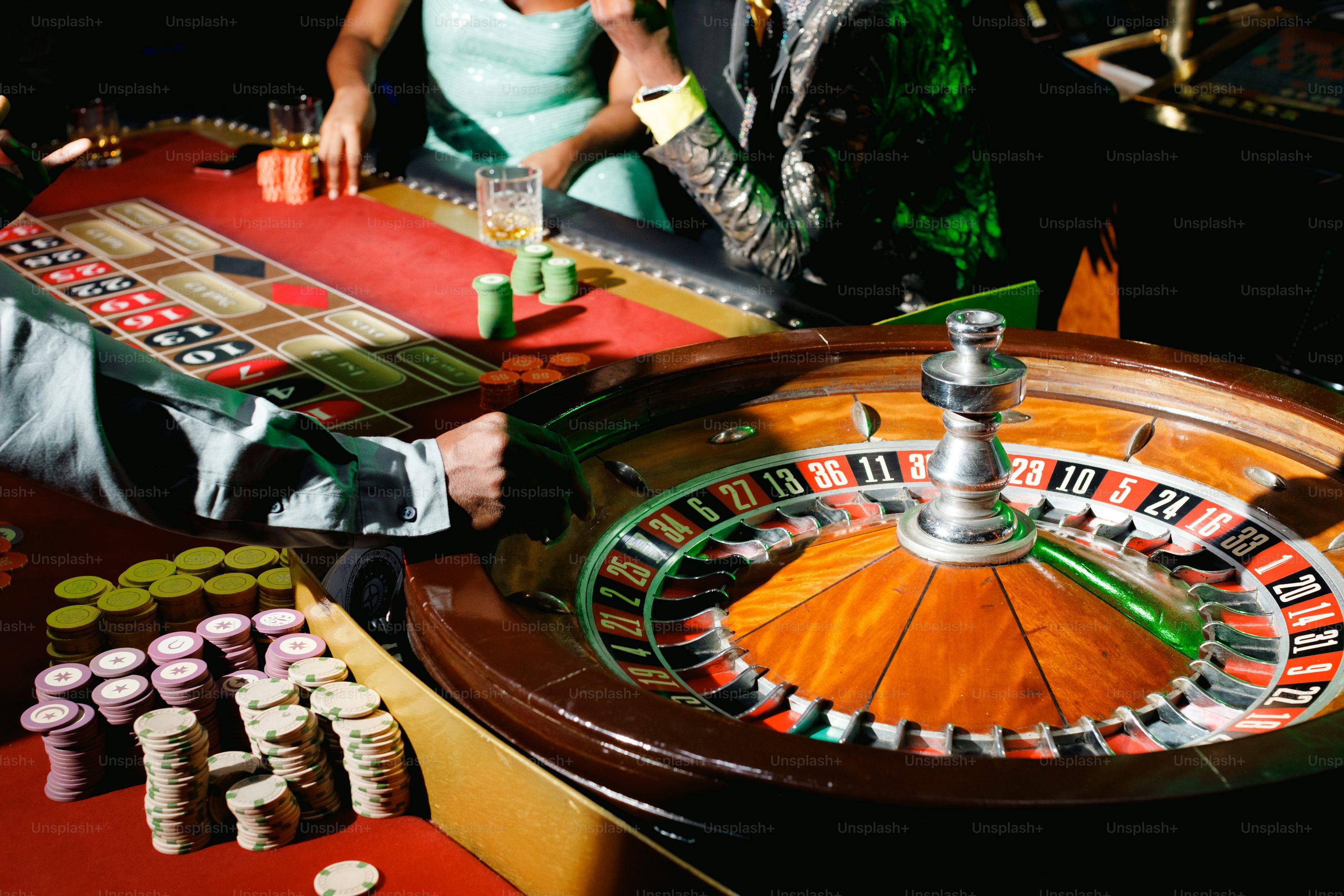
The thrill of gambling captivates many individuals, drawing them into an exciting world of chance and risk. This allure can be attributed to various psychological factors, including the adrenaline rush associated with winning. The uncertainty of outcomes creates a unique emotional response that can be exhilarating, leading players to seek out this high-stakes environment repeatedly. Such experiences often provide an escape from the monotony of everyday life, offering a sense of adventure and possibility. For more insights on this topic, visit https://amblewithangus.com/.

Additionally, the social aspect of gambling adds to its appeal. Many people enjoy the camaraderie found in casinos or online platforms, where they can share in the excitement with friends or other players. This communal experience enhances the psychological rewards, making it more than just about financial gain. The combination of thrill, social interaction, and potential reward creates a compelling reason for individuals to place their bets.
The Role of Cognitive Biases
Cognitive biases play a significant role in gambling behavior, influencing how players perceive risk and reward. One common bias is the illusion of control, where gamblers believe they can influence the outcome of games despite the inherent randomness involved. This misconception can lead to increased betting, as individuals feel empowered by their perceived ability to predict or alter outcomes.
Emotional Factors Influencing Gambling
Emotions significantly influence gambling behavior, with many individuals turning to gambling as a means of coping with stress, anxiety, or depression. In this context, betting may provide a temporary escape, allowing players to detach from negative emotions and immerse themselves in a different reality. However, this coping mechanism can lead to problematic gambling behavior, as individuals may chase losses or gamble to feel better, creating a vicious cycle.
Social and Cultural Influences
Gambling is deeply embedded in many cultures and societies, shaping how individuals view and engage with the activity. Social norms and peer influences can significantly impact gambling behavior, as people often gamble to fit in or bond with others. These social pressures can lead to increased participation in gambling activities, regardless of an individual’s personal inclination.
Cultural narratives surrounding luck and fortune can further enhance the appeal of gambling. Many cultures celebrate stories of significant wins, reinforcing the idea that anyone can strike it rich. This mindset can encourage people to bet beyond their means, driven by the hope of achieving similar success and recognition within their social circles.